
The Sanitation Challenge

Baked-On Carbon and Grease
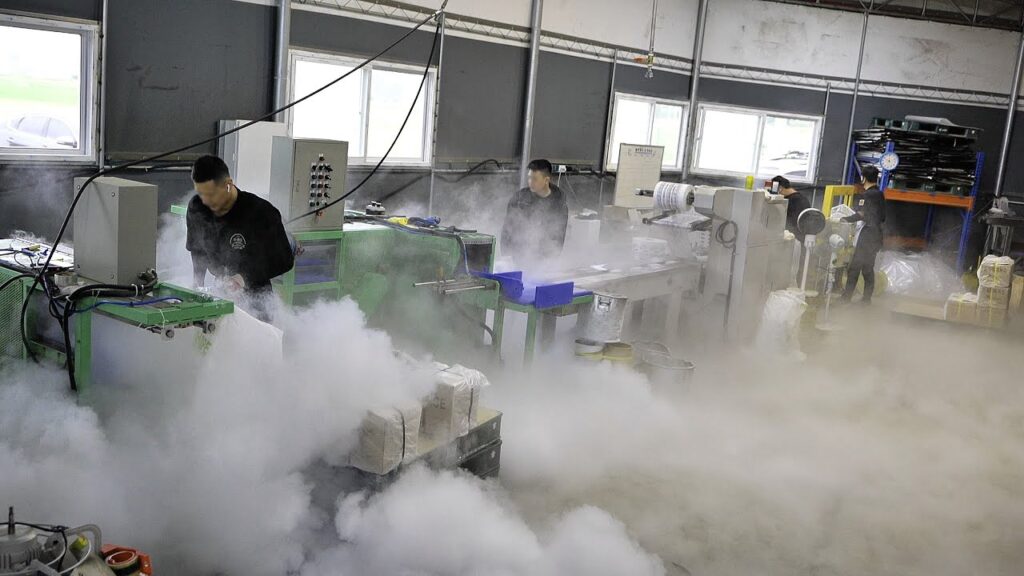
Ovens, fryers, grills, and heated processing surfaces develop layers of carbonized residue that resist standard cleaning. Manual scraping is slow and incomplete. Caustic chemicals raise safety and residue concerns. Dry ice blasting thermally shocks and lifts baked-on deposits without scratching surfaces or leaving chemical residue.

Allergen Cross-Contamination
Shared processing lines running multiple products create allergen transfer risk. Traditional wet cleaning may not fully remove allergen proteins from contact surfaces, joints, and crevices. Dry ice blasting provides a dry, thorough clean that reaches areas wet methods miss and leaves no moisture that could promote bacterial regrowth.

Water in the Wrong Places
Pressure washing introduces moisture into bearings, seals, motors, electrical connections, and insulated panels. This creates corrosion risk, electrical failure risk, and conditions for microbial growth. Dry ice blasting is a completely dry process — no moisture enters your equipment.

Conventional deep cleaning often requires partial disassembly, chemical soak times, rinse cycles, and drying periods before equipment can return to production. Dry ice blasting cleans in-place with no drying time required — equipment is ready for production immediately after cleaning.

Chemical Residue Concerns
Solvent-based and caustic cleaning agents leave chemical films that must be thoroughly rinsed and verified before food contact surfaces return to production. Dry ice blasting uses only recycled CO₂ pellets that sublimate to gas on contact — there is nothing to rinse and no residue to verify.
Applications in Food & Beverage
Compliance & Regulatory Alignment
USDA Accepted
Dry ice is an approved cleaning media under USDA guidelines for meat, poultry, and processed food facilities.
FDA Aligned
The process introduces no chemicals, water, or foreign media into food contact environments.
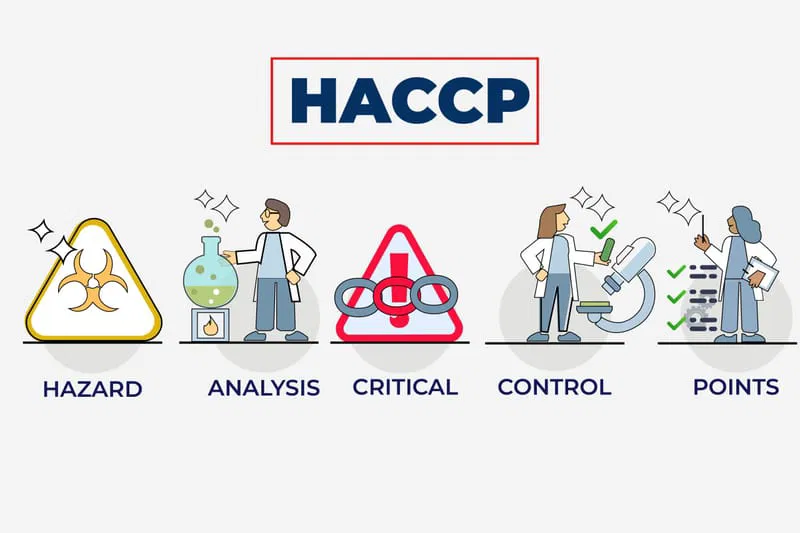
HACCP Compatible
Supports Hazard Analysis and Critical Control Point programs by eliminating chemical residue risk and reducing allergen transfer.
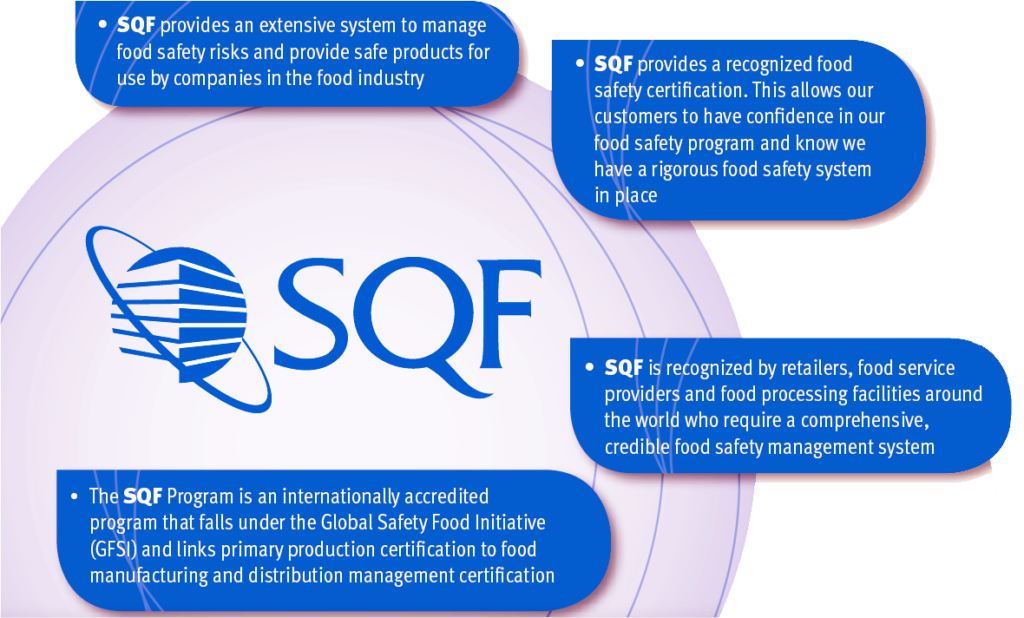
SQF and GFSI Supportive
Documentation and residue-free sanitation align with third-party food safety audit requirements.
FAQ
Is dry ice blasting approved for food contact surfaces?
Dry ice blasting uses food-grade CO₂ as the cleaning media. It is recognized by the USDA and FDA as an accepted cleaning method for food processing environments. No chemicals, water, or foreign media contact food surfaces.
Will it remove allergens?
Dry ice blasting provides a thorough dry clean that removes allergen residues from surfaces, joints, and crevices. While no cleaning method can guarantee 100% allergen elimination, the absence of water and chemical residue makes it an effective component of allergen management programs. Post-cleaning swab testing is recommended per your HACCP plan.
Can you clean while other lines are running?
In many cases, yes. Dry ice blasting produces no chemical fumes or airborne contaminants beyond the material being removed. Containment and ventilation protocols are established for each job. We coordinate with your production schedule to minimize impact on adjacent lines.
How does it compare to CIP (Clean-In-Place) systems?
CIP systems are designed for the internal surfaces of closed piping, vessels, and tanks. Dry ice blasting is complementary — it excels on external surfaces, equipment housings, conveyors, hoods, and areas that CIP systems cannot reach. Many facilities use both methods as part of their overall sanitation program.